Author: goodglassbottle@gmail.com

  • How to Choose the Right Generator Set for Industrial Applications

    How to Choose the Right Generator Set for Industrial Applications

    How to Choose the Right Generator Set for Industrial Applications

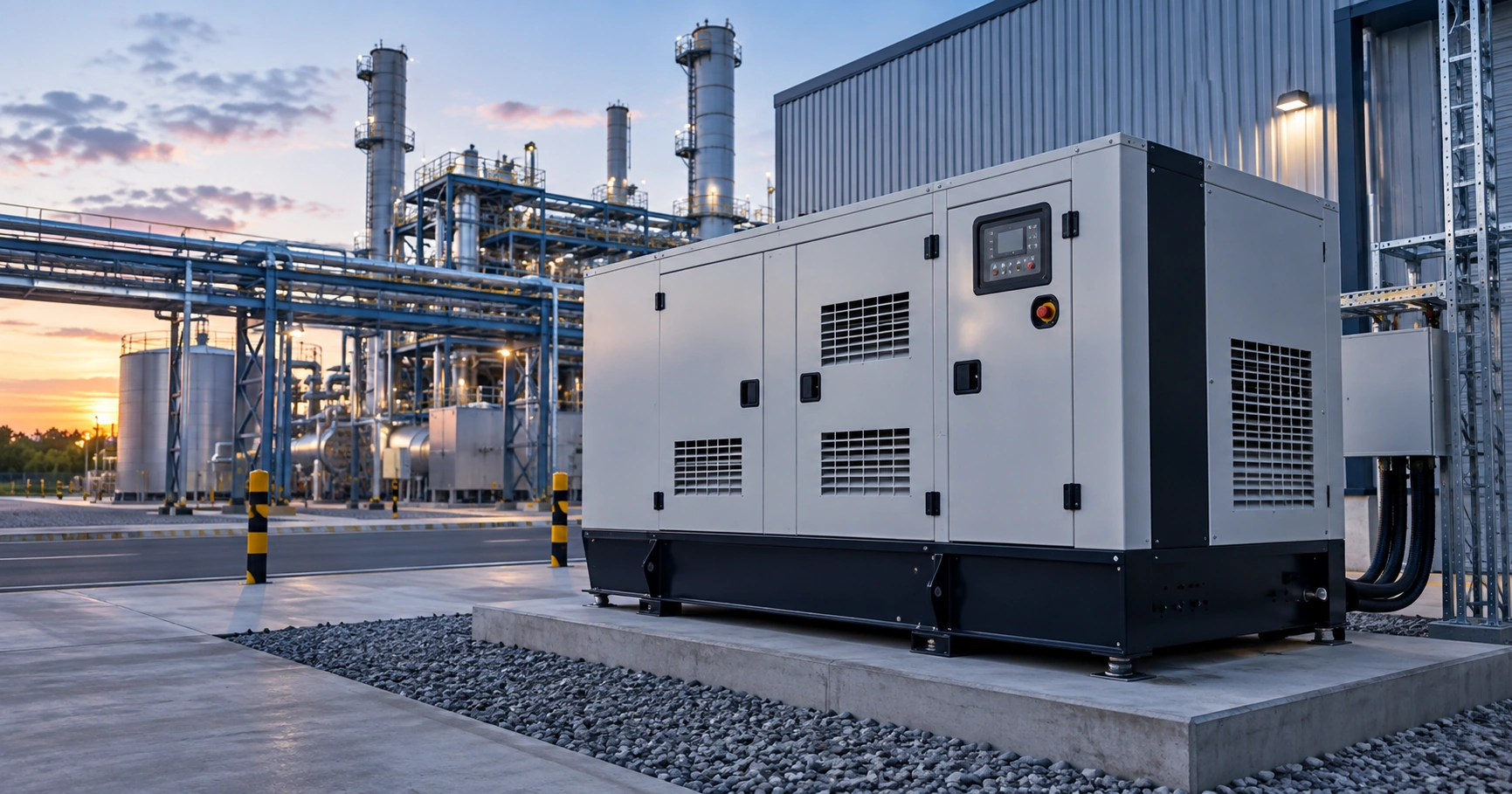
    Choosing the right industrial generator requires more than selecting a power rating. Load characteristics, operating conditions, runtime and system configuration all influence the final solution.
    Industrial Generator Selection

    Industrial facilities depend on stable power to keep production lines, control systems, pumps, ventilation equipment and other essential operations running. When utility power is unavailable or unstable, a properly selected generator set can help maintain critical functions and reduce unnecessary downtime.

    Choosing an industrial generator, however, involves more than simply selecting a power rating. The generator should match the actual load profile, operating environment, required runtime and future development of the facility.

    01

    Understand Your Power Requirements

    The first step is to determine which loads need to remain operational during a power interruption. Some projects require backup for an entire facility, while others only need to support selected critical equipment.

    Starting currents, motor loads, continuous loads and possible future expansion should all be considered when determining the appropriate generator capacity.

    02

    Evaluate the Operating Environment

    Industrial sites can vary significantly in temperature, humidity, dust, altitude and available installation space. These conditions can influence generator selection, cooling requirements, enclosure design and maintenance access.

    Outdoor installations may also require additional weather protection, acoustic treatment and carefully planned ventilation.

    ✓
    Practical Tip

    Generator selection should be based on actual project conditions rather than only the total connected load.

    03

    Choose the Appropriate Duty Type

    Standby generator sets are generally intended to operate when utility power is interrupted. Prime power systems may operate for longer periods or serve sites where grid power is limited or unavailable.

    Understanding the expected operating schedule helps determine a suitable generator configuration for the project.

    04

    Consider the Complete Power System

    A dependable backup power solution may include more than the generator set itself. Automatic transfer equipment, switchgear, fuel systems, controls, monitoring and distribution interfaces can all form part of the complete system.

    Planning these components together can make installation, operation and maintenance more practical.

    05

    Work with Chenxuan Power

    Chenxuan Power provides generator equipment and project-specific power solutions for industrial applications.

    Our team can support customers in evaluating load requirements, installation conditions and suitable system configurations.

    INDUSTRIAL POWER SOLUTIONS

    Need Help Selecting the Right Generator?

    Tell us about your load requirements, operating environment and project conditions. Chenxuan Power can help you discuss a suitable power configuration.
    Contact Us →
  • Why Reliable Backup Power Is Essential for Data Centers

    Why Reliable Backup Power Is Essential for Data Centers

    Why Reliable Backup Power Is Essential for Data Centers

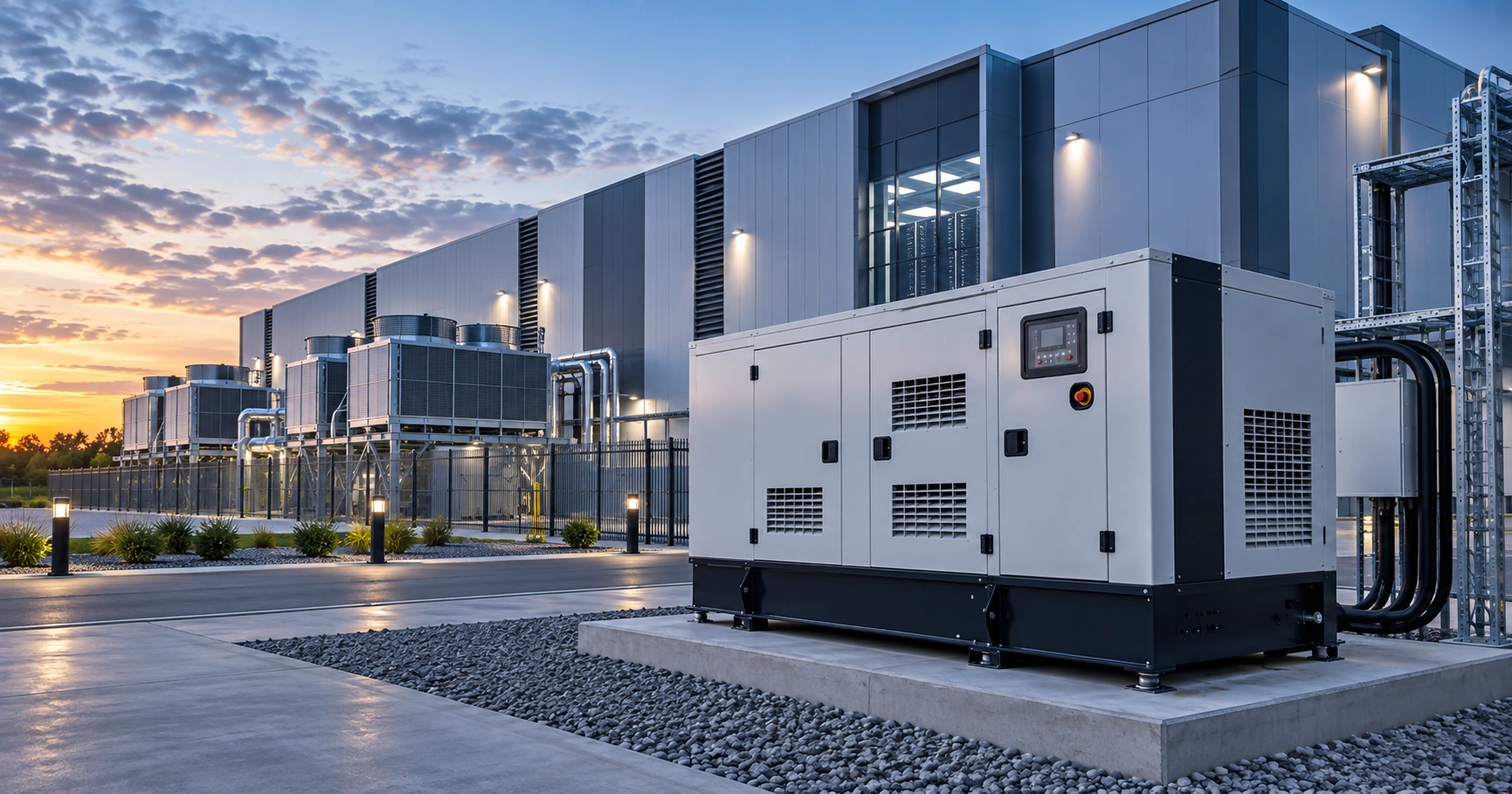
    Data centers depend on continuous electrical power to support servers, cooling systems, network infrastructure and critical facility operations. A properly planned generator system forms an important part of data center power resilience.

    Data Center Backup Power Generator Solution

    Data centers rely on continuous electrical power to keep servers, network equipment, cooling systems, security infrastructure and facility controls operating. Even a short interruption can affect critical digital services and business operations.

    For this reason, generator systems are commonly used as part of a broader backup power strategy designed to maintain continuity when utility power is unavailable.

    01

    Generators Are One Part of the Power Architecture

    A data center backup power system usually involves more than a generator set. Depending on the facility, it may also include UPS systems, automatic transfer equipment, switchgear, paralleling controls, fuel systems and monitoring platforms.

    These components need to work together according to the facility’s operating sequence, redundancy strategy and critical-load requirements.

    02

    Generator Capacity Must Match the Real Load

    Generator sizing should be based on a detailed load study rather than simply adding together equipment nameplate ratings.

    Cooling loads, UPS characteristics, starting currents, load steps and future capacity expansion can all influence the final generator configuration.

    ✓
    Planning Tip

    Data center generator sizing should consider transient load behavior, future growth and the facility’s required redundancy strategy.

    03

    Redundancy and Scalability

    Different data centers have different resilience requirements. Smaller facilities may use a single standby generator, while larger facilities may require multiple generator sets operating through a coordinated paralleling system.

    Modular configurations can also make future expansion easier as IT capacity and facility power demand increase.

    04

    Monitoring and Routine Testing

    Backup power equipment should be inspected and tested regularly. Generator status, runtime, alarms and selected operating parameters can also be integrated into facility monitoring systems.

    Routine testing, battery checks, fuel management and preventive maintenance help ensure that the generator system remains ready when required.

    05

    Plan the Complete Installation

    A data center generator project also requires coordination between ventilation, exhaust, fuel storage, acoustics, fire protection, electrical distribution and maintenance access.

    Chenxuan Power can support customers in evaluating generator configurations for data centers and other critical infrastructure applications.

    DATA CENTER POWER SOLUTIONS

    Planning a Data Center Backup Power Project?

    Share your load profile, redundancy requirements and site conditions with Chenxuan Power to discuss a suitable generator configuration.

    Contact Us →
  • Mobile and Trailer-Mounted Generators for Flexible Power Supply

    Mobile and Trailer-Mounted Generators for Flexible Power Supply

    Mobile and Trailer-Mounted Generators for Flexible Power Supply

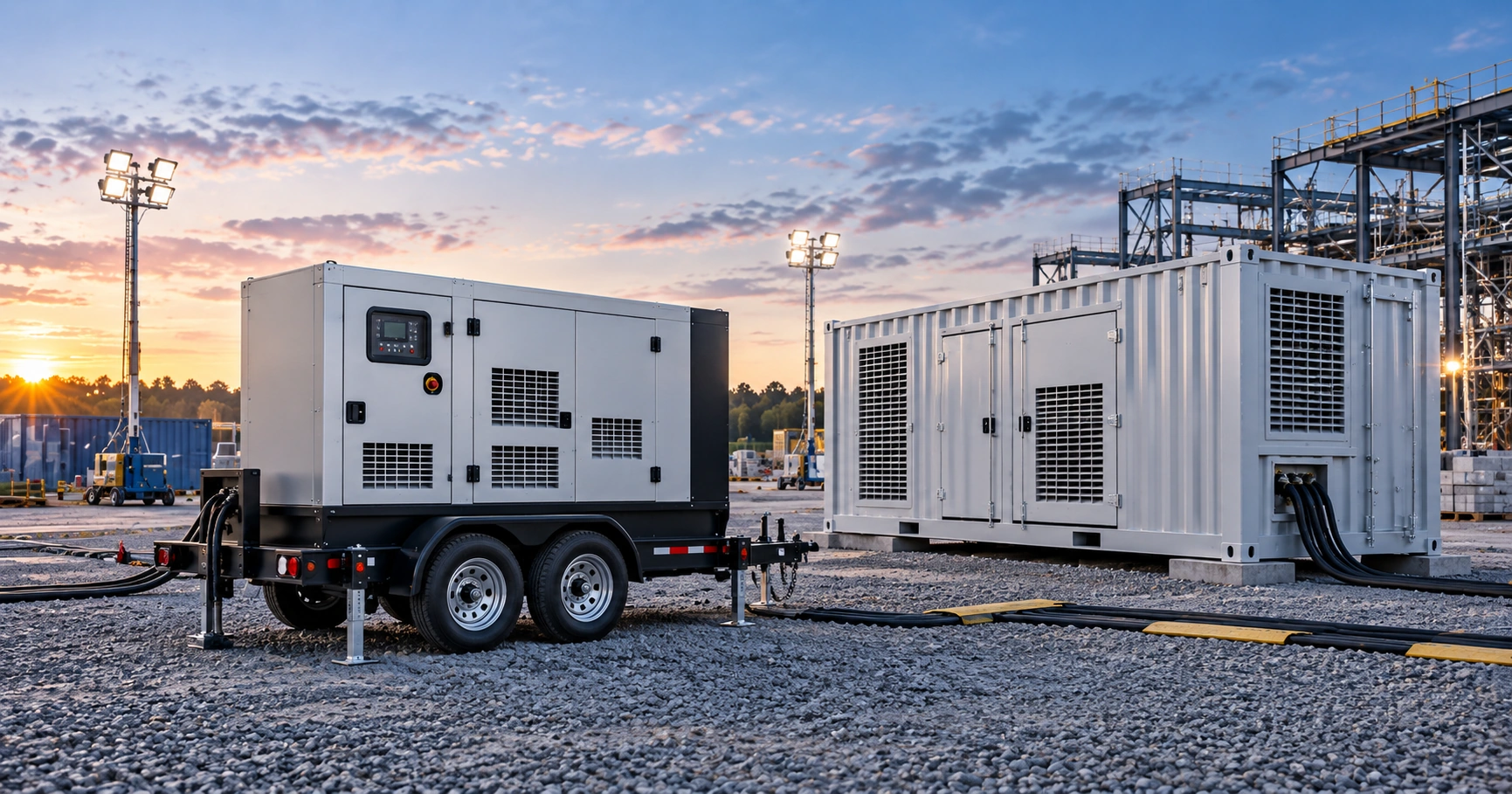
    Mobile and trailer-mounted generator systems provide flexible temporary power for construction projects, emergency operations, events, remote sites and other applications where fixed power infrastructure may not be available.

    Mobile and Trailer-Mounted Generator Solutions

    Not every power requirement is permanent. Construction projects, outdoor events, emergency operations, infrastructure maintenance and remote sites may require temporary power that can be deployed quickly and moved between locations.

    Mobile and trailer-mounted generator systems provide a practical solution for applications where flexibility, transportation and rapid deployment are important.

    01

    Flexible Power for Temporary Applications

    A trailer-mounted generator combines power generation equipment with a transportable chassis, allowing the generator to be moved between different project sites.

    This configuration can be especially useful where a permanent generator installation is unnecessary or where operating locations change frequently.

    02

    Typical Applications

    Mobile generator systems can support construction sites, temporary industrial facilities, telecom locations, outdoor events, maintenance projects and emergency power requirements.

    Generator capacity should be selected according to the actual connected load, starting requirements, operating schedule and expected runtime of the project.

    ✓
    Project Tip

    Temporary power planning should consider not only generator capacity, but also transportation, fuel autonomy, cable routing, noise limits and site access.

    03

    Important Design Considerations

    Mobility is only one part of a mobile power system. Fuel capacity, runtime, weather protection, acoustic performance, cable connections and maintenance access should also be considered during equipment selection.

    For generator sets that will be transported frequently, trailer construction, lifting points, chassis strength and overall equipment durability are also important.

    04

    Containerized Power for Larger Projects

    For larger projects or higher power requirements, containerized generator systems can provide another practical configuration.

    A containerized system may combine the generator, ventilation, controls, electrical interfaces and other supporting equipment within an integrated enclosure.

    This approach can be suitable for industrial sites, infrastructure projects and other applications requiring a coordinated high-capacity power solution.

    05

    Flexible Solutions from Chenxuan Power

    Chenxuan Power provides generator configurations for fixed, mobile, trailer-mounted and containerized applications.

    Our team can discuss project requirements including load, operating conditions, mobility requirements, runtime, enclosure type and installation environment.

    MOBILE POWER SOLUTIONS

    Need Flexible Power for Your Project?

    Share your project location, load requirements, operating time and mobility needs with Chenxuan Power to discuss a suitable generator configuration.

    Contact Us →
  • generator-maintenance-filters-spare-parts

    generator-maintenance-filters-spare-parts

    Generator Maintenance: Why Filters, Cooling and Spare Parts Matter

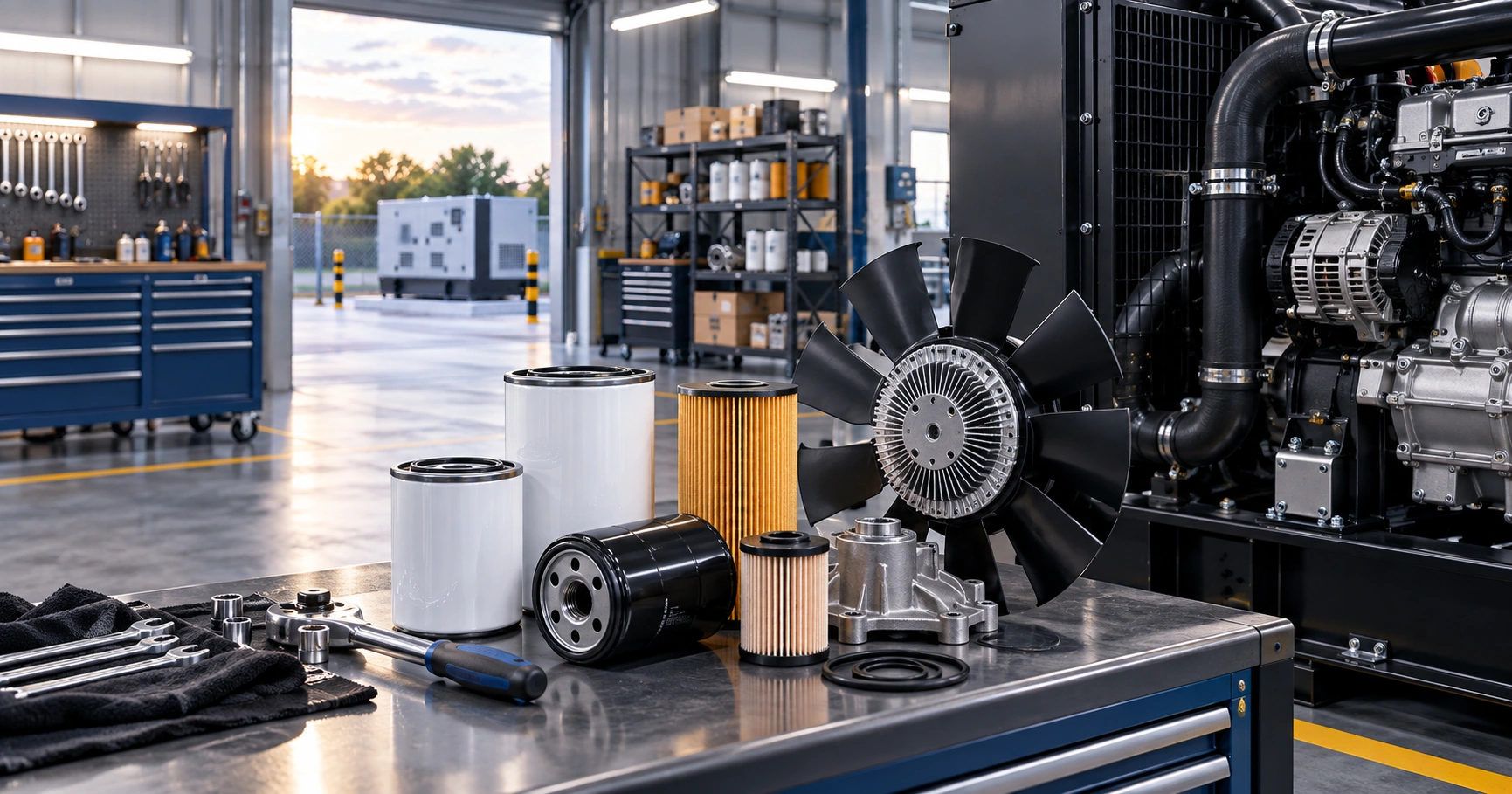
    Reliable generator operation depends on more than the main engine and alternator. Filters, cooling components, batteries, lubricants and suitable spare parts all play an important role in long-term performance and readiness.

    Generator Maintenance Filters Cooling and Spare Parts

    A generator set may remain on standby for long periods, but when a power interruption occurs it needs to start and operate as expected. Regular inspection and preventive maintenance are therefore important parts of reliable backup power operation.

    Filters, cooling components, batteries, lubricants and other replacement parts can all affect generator performance, service life and operating reliability.

    01

    Fuel Filters

    Fuel filters help remove contaminants and particles before fuel reaches the engine injection system. Clean fuel is important for stable engine operation and reliable starting.

    A restricted or contaminated fuel filter can reduce fuel flow and may contribute to poor performance, difficult starting or unstable engine operation.

    Fuel filters should therefore be inspected and replaced according to the recommended maintenance schedule and actual operating conditions.

    02

    Oil Filters

    Engine oil helps lubricate moving components and reduce internal wear. The oil filter helps remove contamination circulating through the lubrication system.

    Over time, engine oil and filters can become contaminated and lose effectiveness. Regular replacement helps maintain suitable lubrication conditions for the engine.

    ✓
    Maintenance Tip

    Maintenance intervals should be based on the engine manufacturer’s recommendations, operating hours and actual site conditions.

    03

    Air Filters

    Clean intake air is important for efficient engine operation. Air filters help prevent dust and debris from entering the engine.

    Generators operating in dusty industrial environments, construction sites or outdoor locations may require more frequent air-filter inspection.

    Excessive airflow restriction can affect engine performance and combustion efficiency.

    04

    Cooling System Components

    Radiators, cooling fans, hoses and coolant systems help maintain appropriate engine operating temperatures.

    Cooling components should be inspected for leaks, damaged hoses, contamination, blocked airflow and other conditions that may reduce cooling performance.

    Cooling fans and radiators also need sufficient airflow, especially in enclosed generator installations.

    05

    Use Suitable Replacement Parts

    Replacement components should match the technical requirements of the engine and generator system.

    Incorrect filters, cooling components or other parts can create installation problems, affect performance or reduce serviceability.

    Keeping commonly used service parts available can also help reduce unnecessary downtime during scheduled maintenance.

    06

    Preventive Maintenance Supports Reliability

    A practical maintenance program may include routine inspections, scheduled generator test runs, battery checks, fuel-system maintenance, filter replacement and maintenance records.

    Regular maintenance makes it easier to identify potential issues before they develop into larger operating problems.

    Chenxuan Power provides generator equipment and related spare-parts support for different power applications.

    GENERATOR PARTS & SUPPORT

    Need Generator Spare Parts or Technical Support?

    Contact Chenxuan Power to discuss generator filters, cooling components, spare parts and maintenance requirements for your equipment.

    Contact Us →